
Hardcore Roots: How the DIY Music Scene Shaped Modern Tattoo Culture
10 days ago
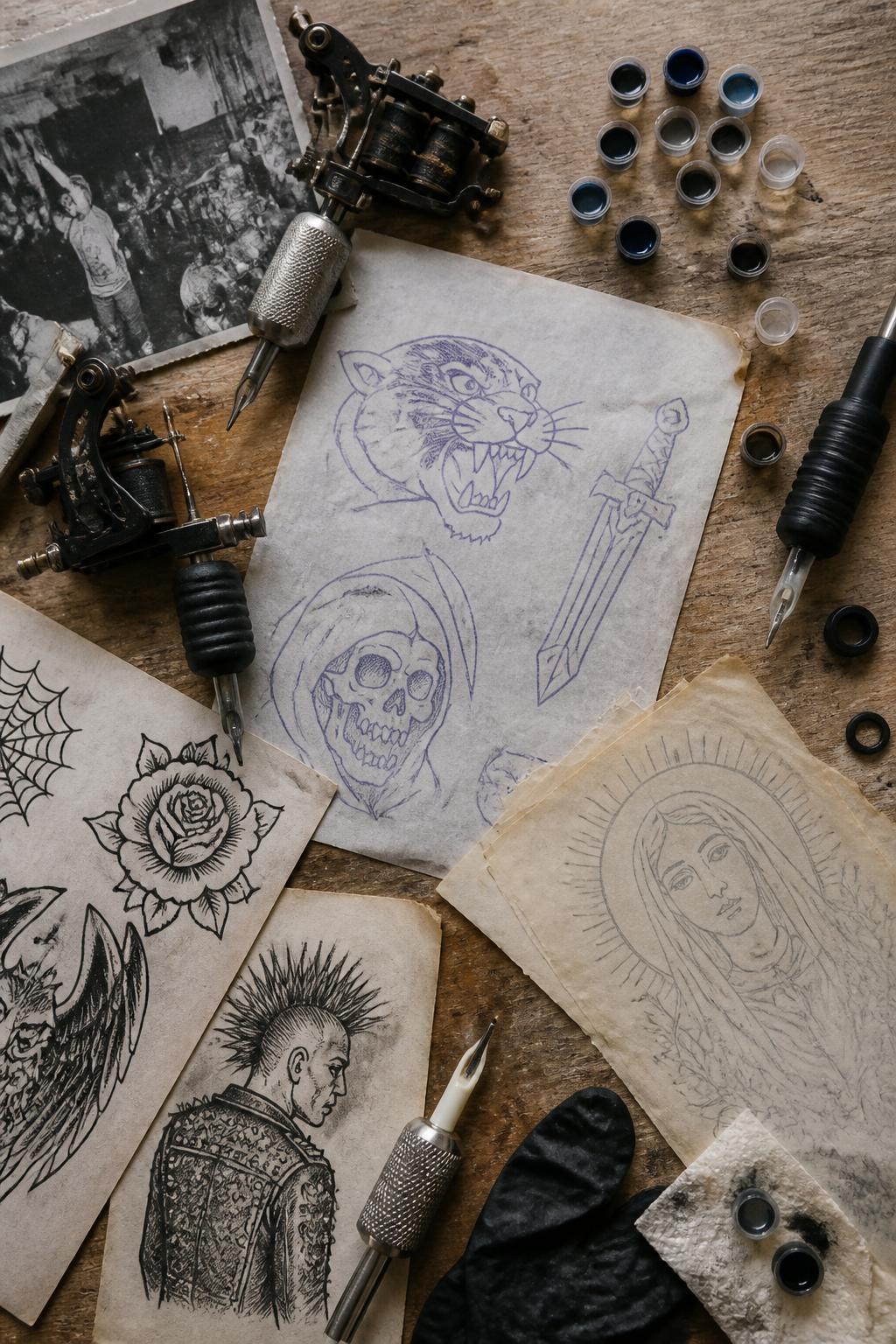
The intersection of underground music and permanent ink has always been more than just an aesthetic choice. In the sweaty basements of the 1980s hardcore scene, tattoos became a badge of loyalty and a visual representation of the 'do-it-yourself' ethic. This raw energy provided a foundation for contemporary tattoo culture, moving away from formal apprenticeships toward a community-driven exchange of art.
During this era, the imagery was as aggressive as the music. Straight-edge symbols, bold lettering, and heavy blackwork were used to signal one’s values and affiliations instantly. It wasn't about mainstream appeal; it was about internal recognition within a subculture that felt ignored by the rest of the world.
As these musicians toured, they carried their art across borders, effectively acting as mobile galleries. This nomadic lifestyle helped spread specific stylistic flourishes that we now recognize as staples of the modern industry. The grit of the tour bus and the intensity of the mosh pit demanded tattoos that were durable, readable, and unapologetically loud.
Today, the influence of those early punk and hardcore circles remains visible in high-end studios globally. The ethos of inclusivity and the rejection of corporate standards continue to drive the industry forward. By looking back at these musical origins, we see that the most impactful shifts in tattoo culture often start with a loud guitar and a single needle.