
Hardcore Heritage: The D.I.Y. Ethics Shaping Modern Tattoo culture
17 hours ago
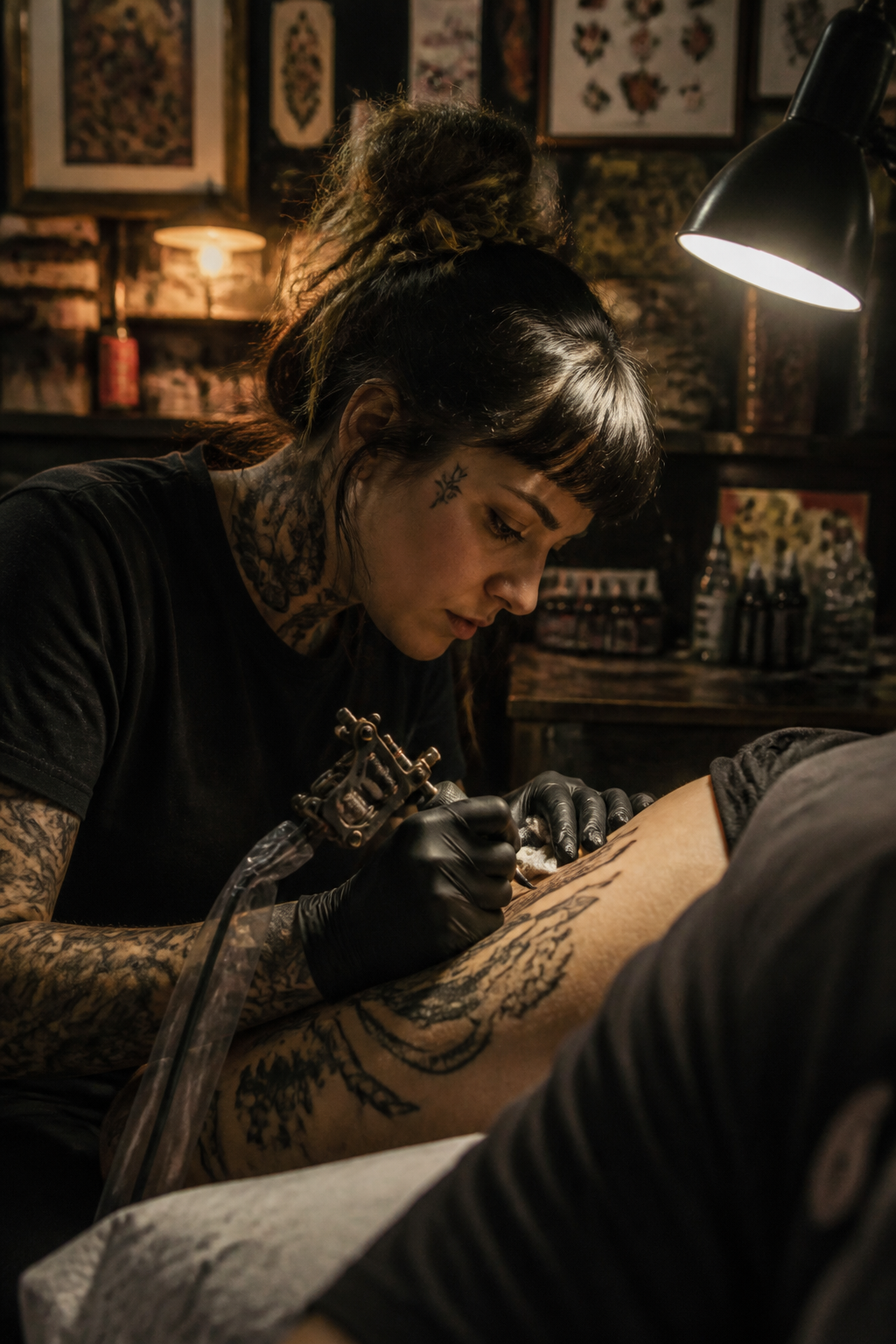
The roots of modern tattoo culture are deeply entwined with the basement shows and sticky floors of the 1980s hardcore scene. During this era, ink wasn't about professional luxury or fine art galleries; it was a badge of belonging and a visual manifestation of a high-speed, high-energy lifestyle. Musicians and fans alike used their skin to document their tours, their crews, and their uncompromising worldviews.
This era birthed the D.I.Y. ethos that still dictates how many enthusiasts approach the chair today. Before the advent of high-end social media portfolios, getting tattooed was a word-of-mouth ritual often performed in makeshift setups or backrooms. The aesthetic was bold, black, and unapologetically raw, prioritizing the message and the memory over technical perfection.
As this movement evolved, it brought a specific sense of community to the broader landscape of tattoo culture. The 'straight edge' movement, in particular, utilized large, visible markings to signify a commitment to a clean lifestyle, turning the body into a permanent billboard for personal ethics. This shift proved that ink could be a powerful tool for social identity rather than just decorative art.
Today, we see the influence of these punk roots in the rise of 'ignorant style' and minimalist blackwork. The grit of the underground hasn't disappeared; it has simply matured into a respected genre that values authenticity above all else. Modern studios often pay homage to these gritty beginnings by maintaining the rebellious spirit that defined the early scene.
Ultimately, the legacy of music-scene ink reminds us that the best stories are often written in bold lines and heavy saturation. The intersection of loud music and permanent marks remains one of the most vibrant sectors of the industry, proving that style is most impactful when it is backed by a genuine subcultural pulse.