
Guided by Grit: The Enduring Wolf Tattoo Meaning and Social Symbolism
17 days ago
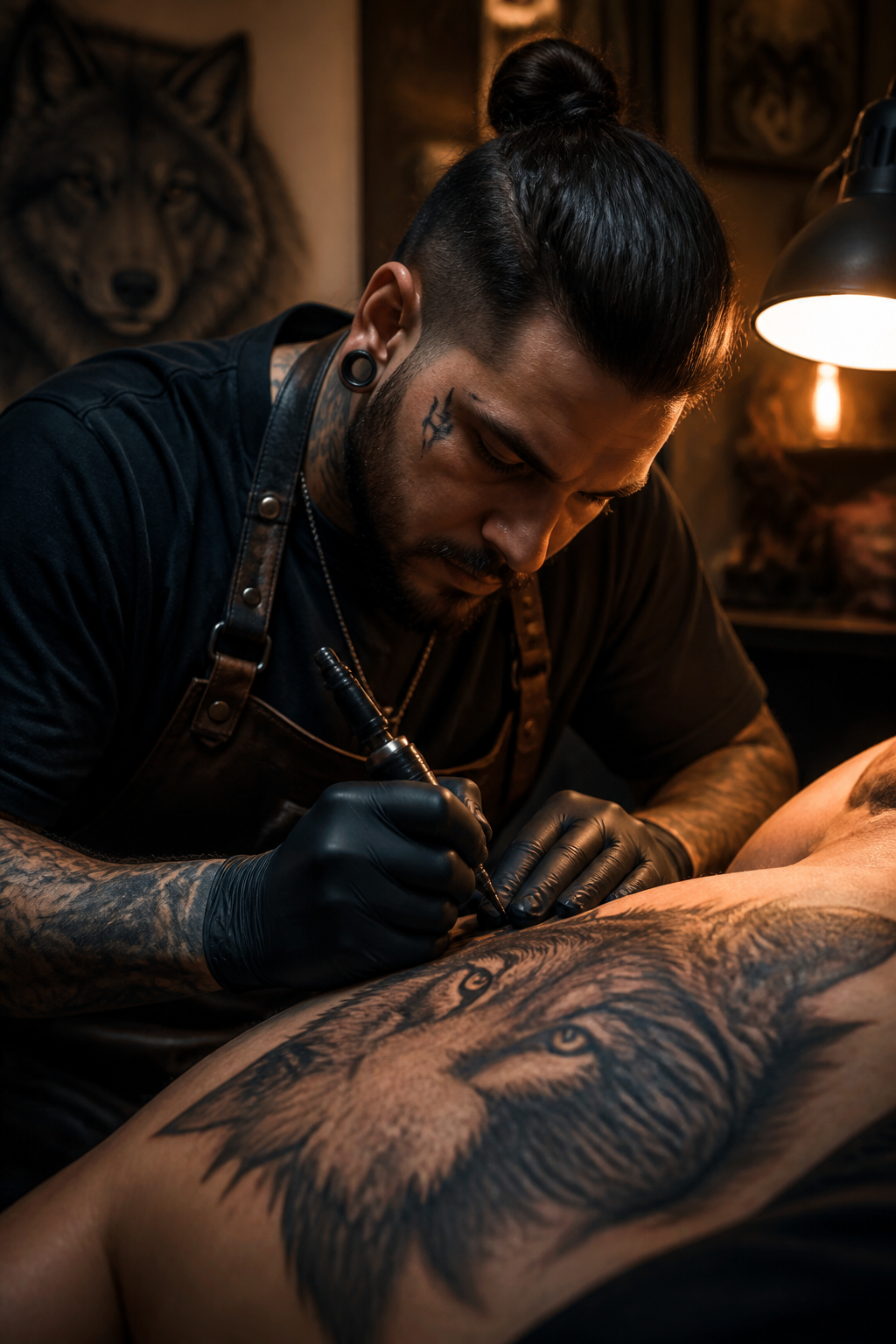
The wolf has long held a dominant position in the world of ink, representing a complex balance between fierce independence and unwavering loyalty. Historically, various cultures viewed the wolf as a guardian and a skilled hunter, qualities that naturally translated into body art. In early tribal traditions, wearing the image of a wolf signified a connection to the pack and a commitment to protecting one's community against all odds.
Beyond just being a predator, the wolf tattoo meaning is deeply rooted in the concept of family. In the wild, these animals rely on a strict social structure to survive, making the motif a popular choice for those who value their inner circle above all else. A single wolf might represent the 'lone wolf' archetype—a person who carves their own path—while a howling silhouette often symbolizes a call to one's roots or a declaration of freedom.
In the modern era, the aesthetic of the wolf has shifted from traditional, heavy-handed outlines to various contemporary styles. Minimalist fine-line work focuses on the sharp, intelligent gaze of the animal, while neo-traditional designs use bold colors to emphasize its raw power. Regardless of the artistic approach, the core message remains a celebration of instinct and the primal drive to persevere through difficult terrain.
Today's wearers often reinterpret the wolf as a mark of survival. It serves as a reminder that even when standing alone, one possesses the strength of an entire pack within. For many, getting this ink is a rite of passage, signaling a transition into a more confident version of themselves. It is a timeless choice that bridges the gap between ancient heritage and the personal narratives of the modern world.