
Graphic Impact: A Blackwork Tattoo Styles Guide
24 days ago
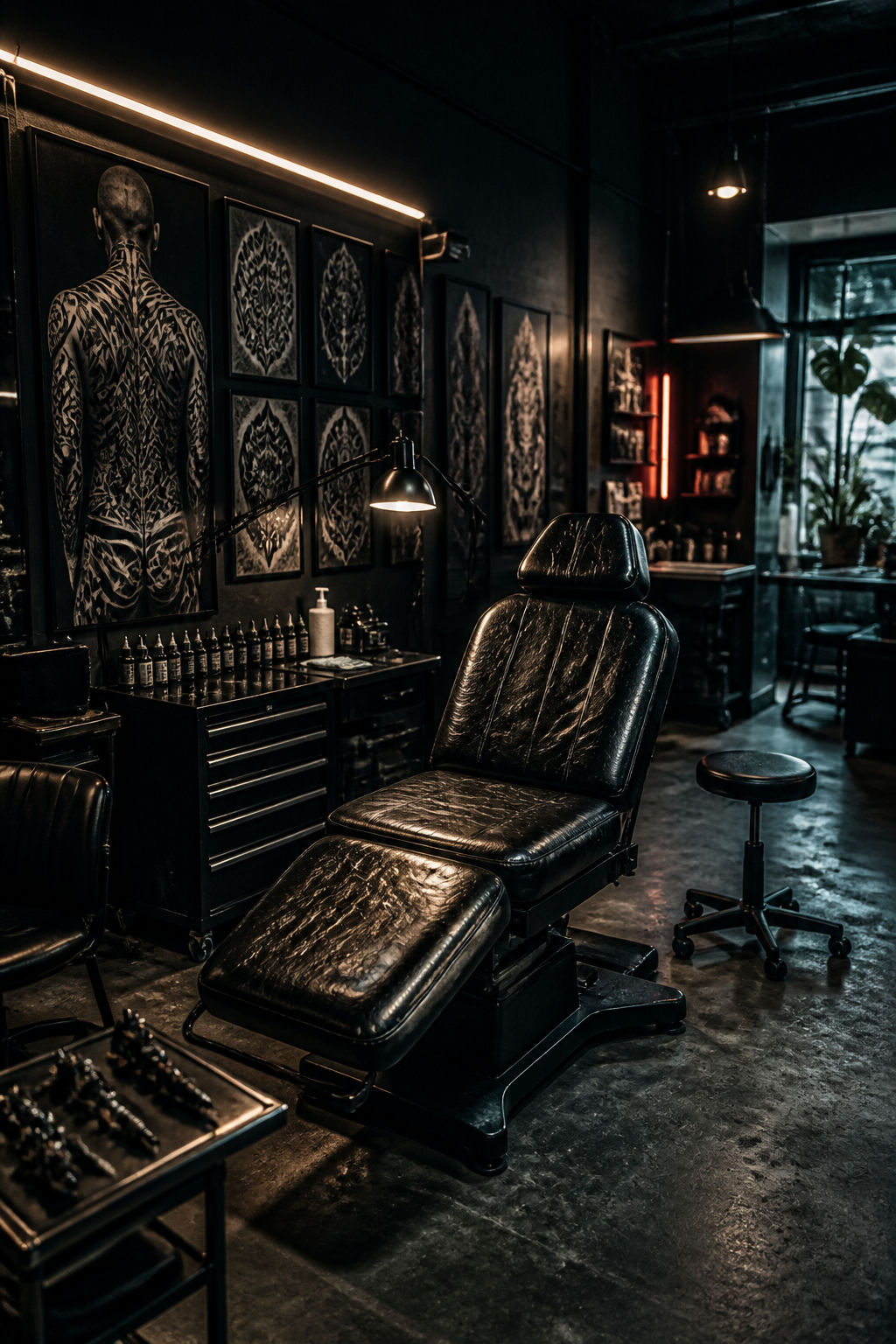
Blackwork is perhaps the most visceral expression of ink on skin. Rooted in ancient tribal traditions but refined by the modern avant-garde, this style eschews color and grey shading in favor of pure, saturated black pigment. This tattoo styles guide focuses on how the movement has shifted from simple geometric bands to complex, large-scale compositions that redefine the body's natural silhouette.
What makes blackwork instantly recognizable is its commitment to high contrast. By utilizing the wearer's natural skin tone as the only 'light' source, artists create depth through negative space. Modern masters like Hoode and Roxx have pushed these boundaries, moving away from traditional motifs toward 'blackout' techniques and abstract, flowing shapes that hug the musculature.
Beyond just solid blocks of ink, this style encompasses sub-genres such as dark art, illustrative etching, and ornamental patterns. The key to a successful piece lies in the saturation; the black must be packed evenly to ensure it remains a deep, velvet-like void as it heals. It is a style that demands confidence from both the artist and the collector, as there is no room for error or concealment.
Technique plays a massive role in distinguishing blackwork from its peers. While other styles might use linework to define a subject, blackwork often uses heavy fills to create the subject itself. This results in a graphic, almost architectural feel that stands the test of time better than almost any other method, as black pigment is famously resistant to fading.
Choosing a blackwork piece requires an understanding of how light interacts with the skin. Whether you are looking for a delicate botanical silhouette or a bold, solid limb sleeve, the style offers a timelessness that defies fleeting trends. It is a celebration of the rawest form of tattooing, where the needle and the void meet to create something unforgettable.