
From High Seas to High Fashion: How Sailor Heritage Built Tattoo Culture
4 months ago
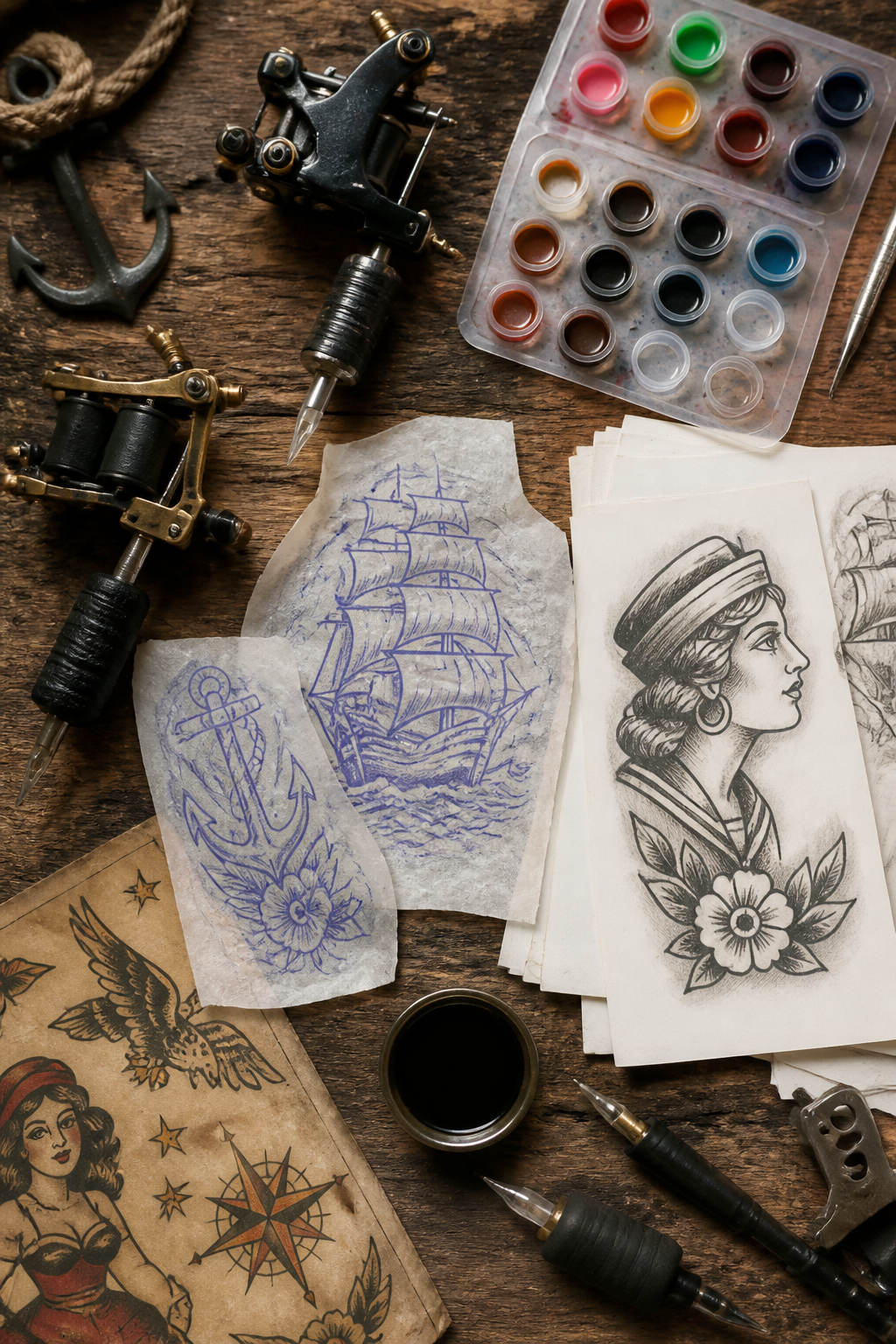
Modern tattoo culture owes its very existence to the salt-crusted sailors of the 18th and 19th centuries. Long before studios were sanitized boutiques, ink was a badge of survival and travel. Mariners used crude needles and gunpowder to mark their skin with tales of their voyages, creating a visual language that spoke of crossing the equator or surviving a shipwreck. These early pioneers transformed the skin into a living logbook, turning a niche seafaring habit into a global phenomenon.
The aesthetic we now celebrate as American Traditional was born in the bustling port cities of the Pacific. Artists like Sailor Jerry simplified complex imagery into bold, black outlines and primary colors to ensure the art could withstand a lifetime of sun and saltwater. Symbols like the clipper ship, the anchor, and the swallow became universal icons of hope and safe passage. These motifs remain the most recognizable pillars of the scene today, proving that heritage never goes out of style.
As tattoo culture evolved, it moved from the docks to the circus and eventually to the mainstream. What began as a way for sailors to distinguish themselves in foreign lands became a rebellious statement for outcasts and punks. The technical precision has improved, but the core ethos remains the same: using the body as a canvas to document one’s personal journey and identity. This transition from the maritime fringe to the cultural center is a testament to the enduring power of the craft.
Today, the influence of these nautical roots can be felt in every shop across the globe. Whether it is a perfectly executed eagle on a forearm or a small anchor on a wrist, the connection to the sailors of the past is undeniable. By honoring these vintage styles, contemporary artists keep the history of the movement alive, ensuring that the legacy of those original voyagers is never forgotten amid changing trends.