Fresh Ink Protocol: The Essential Tattoo aftercare Routine
18 days ago
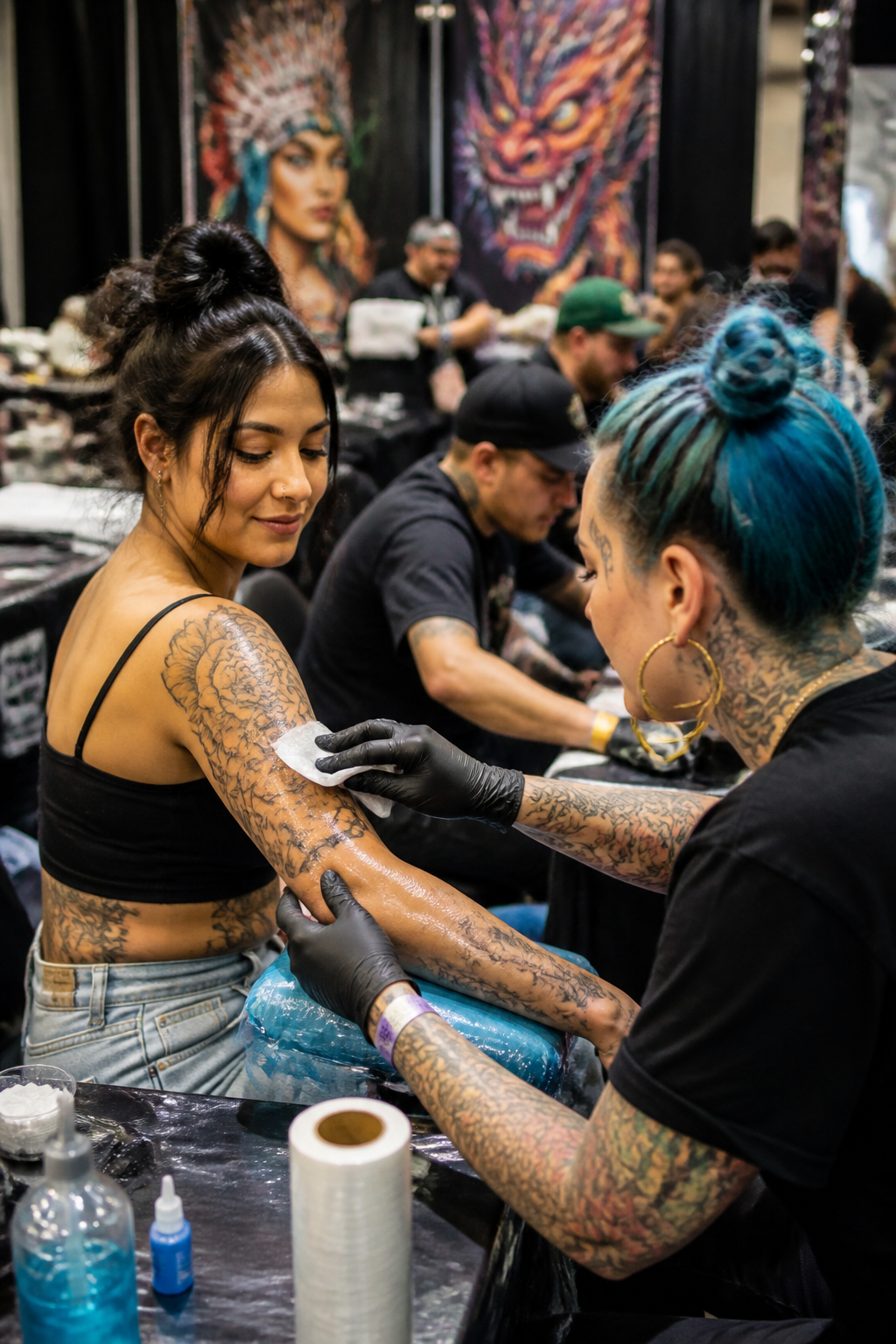
The first 48 hours are the most critical for your new piece. Once you leave the studio, your artist will likely apply a medical-grade adhesive bandage or traditional wrap. Keep this on for the duration recommended by your professional—usually a few hours for plastic wrap or up to several days for breathable adhesive films. This initial stage keeps bacteria out while your skin begins the primary inflammatory response.
When it is time to clean the area, always wash your hands first. Use lukewarm water and a fragrance-free, antimicrobial liquid soap to gently remove any blood, plasma, or excess ink. Avoid using a washcloth or anything abrasive; your clean fingertips are the only tools you need. Pat the area dry with a fresh paper towel rather than a bathroom towel, which can harbor hidden bacteria and lint.
Moisturizing is the next pillar of successful Tattoo aftercare. Apply a very thin layer of an unscented, artist-recommended ointment or lotion. The goal is to keep the skin hydrated without suffocating it. If the tattoo looks shiny or greasy, you have applied too much; gently dab away the excess. Over-moisturizing can lead to clogged pores or 'bubbling' of the ink, which interferes with the settling of the pigment.
During the first two weeks, lifestyle adjustments are mandatory. You must strictly avoid swimming in pools, lakes, or oceans, as prolonged submersion can lead to infections or premature fading. Similarly, keep the tattoo out of direct sunlight. Since you cannot apply sunscreen to a fresh wound, wear loose-fitting clothing to shield the area from UV rays while it heals.
Expect a healing timeline of about three to four weeks for the surface layer, though deep tissue recovery takes longer. Around day five, you may notice peeling or itching similar to a sunburn. Resist the urge to pick or scratch at any scabs, as this can pull the ink out of the skin and cause permanent scarring. Let the flakes fall off naturally during your cleaning routine.
Communication with your artist doesn't end when you pay the bill. If you notice extreme redness spreading away from the design, excessive swelling after the first few days, or if the area feels hot to the touch, contact your artist or a healthcare professional immediately. Consistent, proactive maintenance ensures that your artwork stays sharp and vibrant for a lifetime.