
Fresh Ink Protection: The 48-Hour Routine for Tattoo aftercare
2 hours ago
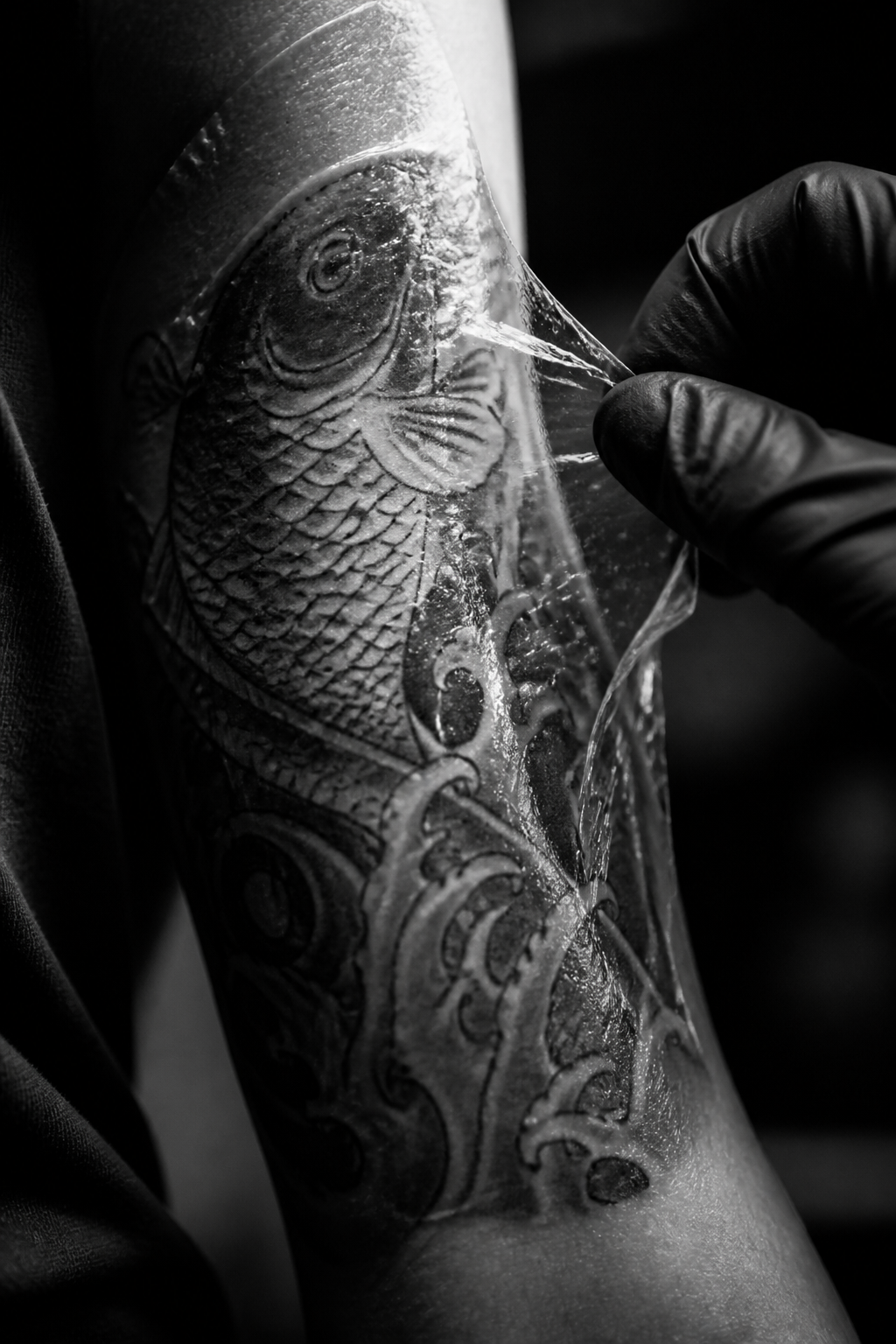
The first 48 hours are the most critical window for your new ink. Once you leave the studio, keep your artist's wrap on for the recommended time to protect the open skin from bacteria. When it is time to remove the bandage, wash your hands thoroughly first, then gently clean the area with lukewarm water and a fragrance-free, antibacterial soap. Pat the skin dry with a clean paper towel rather than rubbing it with a bath towel.
Moisturizing is the next vital pillar of Tattoo aftercare. After the initial cleaning, apply a very thin layer of specialized ointment or an unscented lotion. The goal is to keep the skin hydrated without suffocating it; applying too much product can trap bacteria and lead to breakouts or slow the healing process. Repeat this cleaning and moisturizing routine two to three times a day as the skin begins to flake.
During the first two weeks, you must avoid specific environmental hazards. Do not submerge your new tattoo in water, which means no swimming in pools, lakes, or oceans, and no soaking in hot tubs. Prolonged water exposure can pull ink out of the skin or introduce infections. Stick to quick, cool showers and ensure no soap residue is left on the healing site.
Sun exposure is the enemy of fresh pigment. Keep your healing tattoo out of direct sunlight entirely for the first few weeks. UV rays can cause significant fading and irritation to the raw skin. Once the tattoo is fully peeled and healed, usually after three to four weeks, always apply a high-SPF sunscreen to the area to maintain the vibrancy of the lines and colors over time.
Following a strict healing timeline helps you monitor for complications. It is normal to experience some redness, swelling, and itching during the first week. However, if you notice extreme heat radiating from the site, green or yellow discharge, or red streaks extending from the tattoo, contact your artist and a medical professional immediately. These can be signs of infection that require prompt attention.
Ultimately, successful Tattoo aftercare is about patience and cleanliness. Resist the urge to pick at any scabs or peeling skin, as this can cause scarring and permanent gaps in the design. By following these practical steps and listening to your artist's specific advice, your new piece will transition from a fresh wound to a lifelong piece of art with total clarity.