
Fresh Canvas Tactics: The Logic Behind a Successful Tattoo cover-up
11 days ago
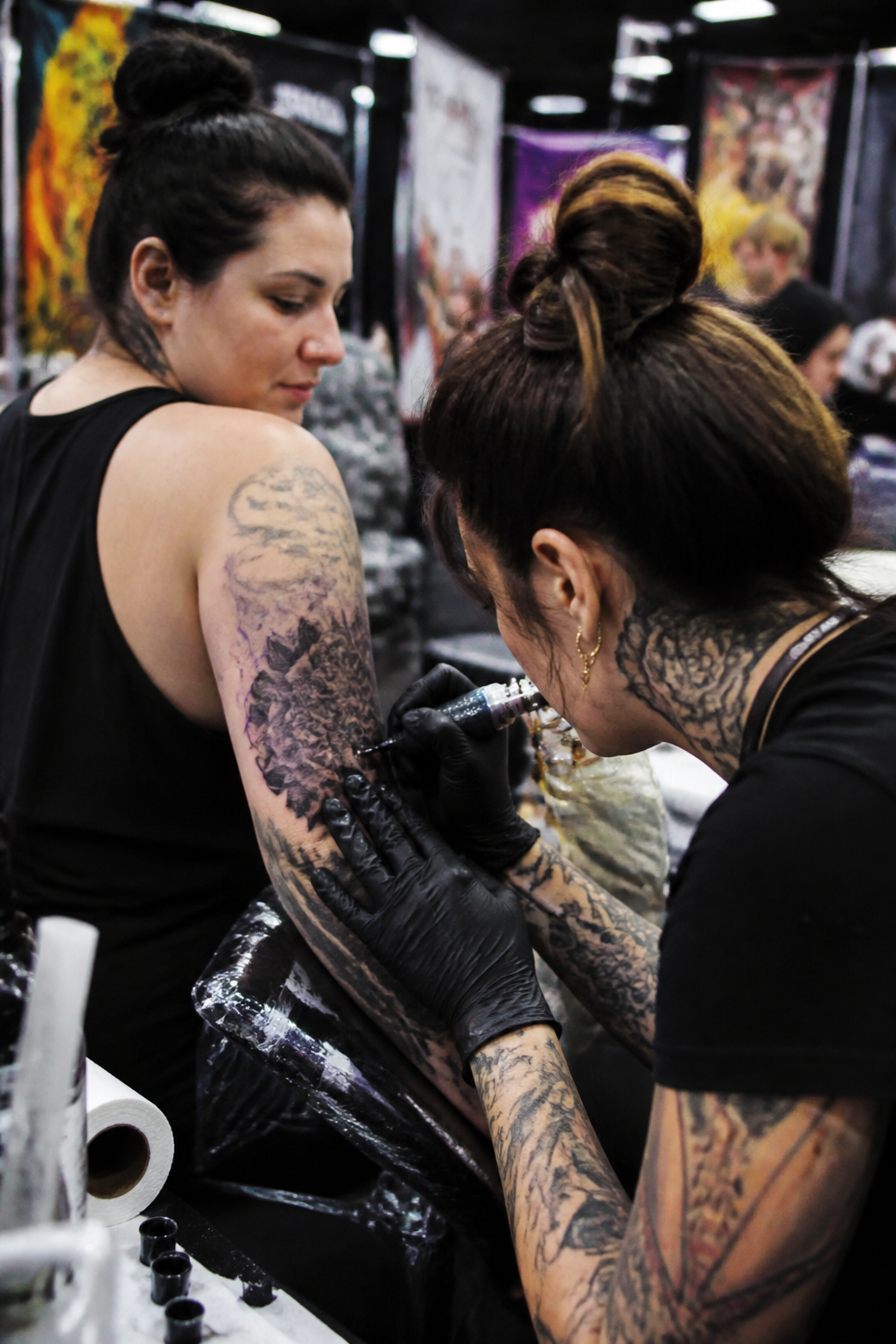
Approaching a Tattoo cover-up requires a shift in perspective; you aren't just painting over an old image, you are strategically blending pigments. Because tattoo ink is translucent, the old design doesn't disappear under new ink. Instead, the two layers combine to create a new color. Darker blacks and deep blues are often necessary to effectively mask the saturated lines of a previous piece.
Design strategy is the most critical element of the process. A skilled artist will use busy patterns, textures, and specific color palettes to distract the eye from the underlying shapes. Large-scale imagery with organic flow usually works best, as rigid geometric lines are much harder to hide. The goal is to camouflage the old silhouette within the shadows and highlights of the new artwork.
Sometimes, a Tattoo cover-up needs a head start. If your existing ink is extremely dark, thick, or blown out, your artist might recommend a few sessions of laser removal first. This isn't meant to erase the tattoo completely, but to fade it enough so that you have more options for the new design. Fading the old ink expands your palette, allowing for lighter colors that wouldn't have been possible otherwise.
Choosing the right artist is the final piece of the puzzle. Not every talented tattooer is a specialist in this niche. You need someone with a deep understanding of color theory and spatial composition. Look for portfolios that specifically showcase 'before and after' photos to see how they handle camouflage. A professional will be honest about what is possible and what isn't.
Ultimately, patience is your best friend during this transformation. A cover-up often requires more time and potentially more sessions than a standard piece on clean skin. By respecting the limitations of the medium and working with an expert, you can turn a source of regret into a stunning piece of art that looks intentional rather than like a patch-up job.