
Clean Slate: The Ultimate Pro Checklist for Tattoo aftercare
2 months ago
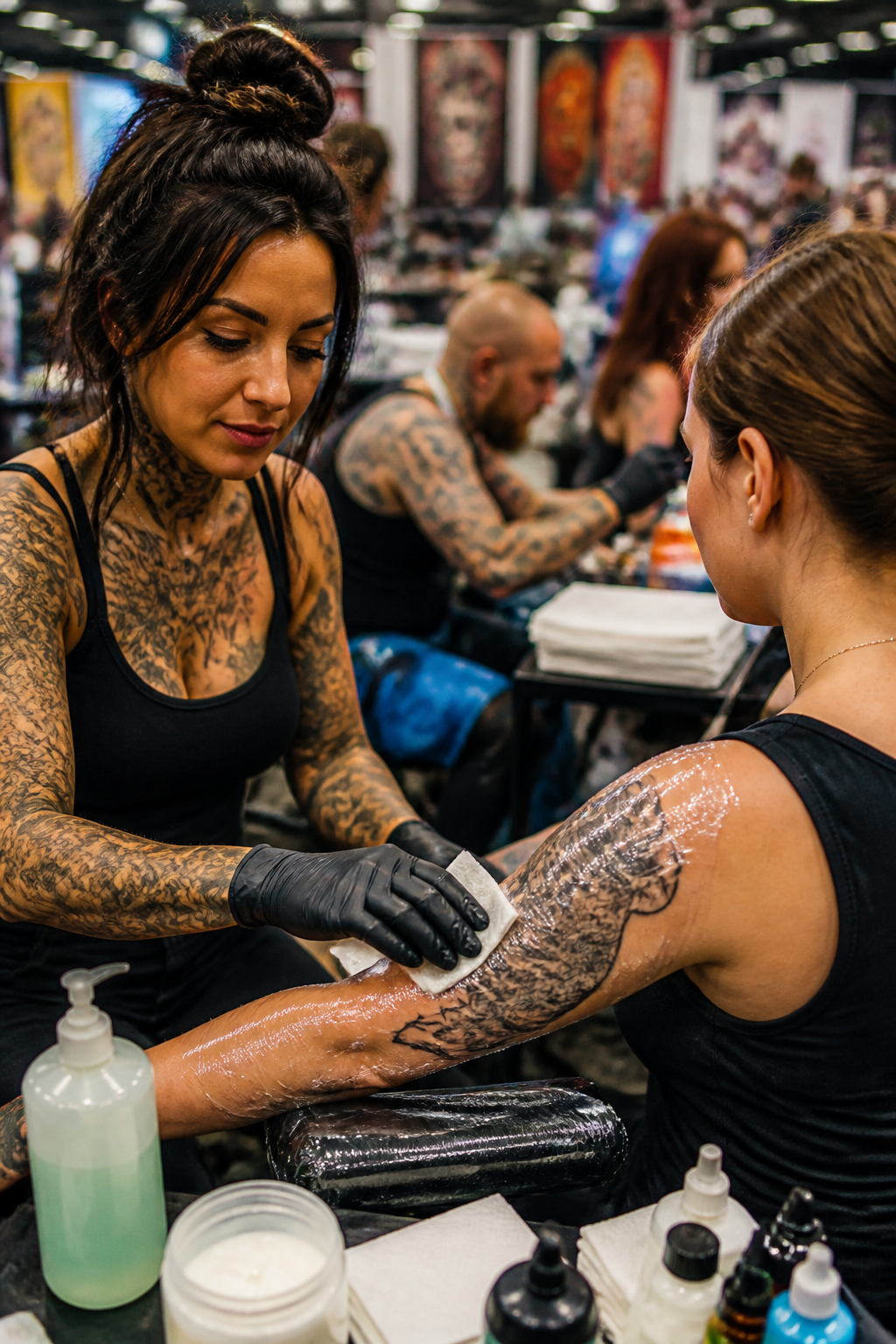
The first 48 hours of tattoo aftercare are the most critical for your skin’s recovery. Once you leave the studio, keep your artist's bandage on for the recommended time to prevent bacteria from entering the open wound. When it’s time to remove the wrap, wash your hands thoroughly before gently cleaning the area with lukewarm water and a fragrance-free, antimicrobial soap. Pat the area dry with a clean paper towel rather than a cloth one to avoid lint or irritation.
Moisturizing is the next phase of your routine, but less is always more. Apply a very thin layer of a specialized tattoo ointment or a dermatologist-recommended, unscented lotion. The goal is to keep the skin hydrated without suffocating it; if the tattoo looks greasy or shiny, you’ve applied too much. Over-moisturizing can trap bacteria and lead to bubbling, which can pull the pigment out of the skin.
As your tattoo begins to peel or scab—usually between day three and day seven—it is vital that you do not pick or scratch at it. This part of the tattoo aftercare process requires patience. Let the dead skin flake off naturally to ensure the lines stay crisp. During this time, you must also avoid soaking the area. This means no baths, hot tubs, or swimming in pools and oceans, as submerged water can introduce infections or wash out the ink.
Sun exposure is the silent enemy of fresh ink. UV rays break down pigment and can cause a healing tattoo to blister or fade prematurely. Keep your new piece covered with loose, breathable clothing while it heals. Once the skin is fully closed and no longer peeling, make high-SPF sunscreen a permanent part of your daily routine to keep your colors vibrant for years to come.
Most tattoos take about two to four weeks for the surface level to heal, though the deeper layers of skin take longer. If you notice extreme redness, spreading rashes, or if the area feels hot to the touch long after your session, don't hesitate to contact your artist. They are experts in identifying normal healing versus potential complications and can advise if you need to see a professional.
Following a strict tattoo aftercare regimen ensures that your body art looks as good in a decade as it does the day you walk out of the shop. Consistency is key. By prioritizing hygiene and protection, you turn a painful session into a lasting masterpiece.