
Chicano Heritage: A Deep Dive into the Tattoo Styles Guide
2 months ago
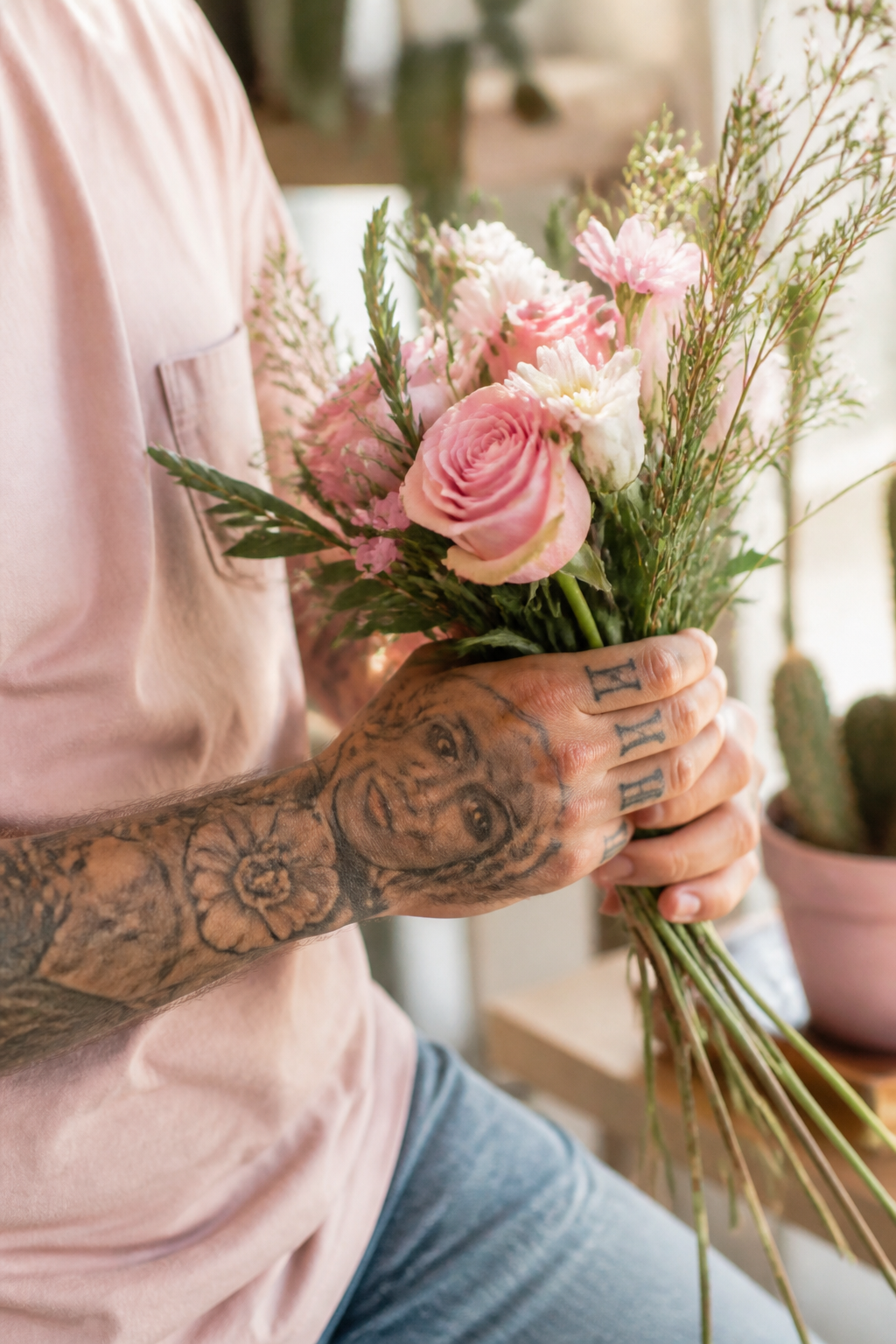
Originating from the Pachuco culture of the 1940s and further refined within the California penal system, Chicano tattooing is a testament to resilience and heritage. This style is defined by its use of single-needle fine lines and smooth black and grey shading. What began as a necessity using limited resources has evolved into one of the most respected and technically demanding aesthetics in the modern industry.
The hallmark of this style is its incredible softness. Unlike the bold, saturated lines of American traditional work, Chicano art focuses on realism achieved through delicate gradients. Key motifs often include high-contrast portraits, intricate lettering, and stylized imagery of lowriders or urban landscapes, all rendered with a signature 'street-style' elegance that feels both raw and sophisticated.
Artists like Freddy Negrete and Jack Rudy are often credited with bringing this style from the streets into the mainstream studio environment. Their work helped transition the 'joint-style' aesthetic into high-end portraiture, proving that single-needle techniques could produce museum-quality detail on the skin. Today, these pioneers continue to influence a new generation of artists who blend classic imagery with modern realism.
When identifying this aesthetic in a tattoo styles guide, look for the 'wash' technique. Instead of solid black blocks, the artist uses varying dilutions of ink to create a photographic quality. This results in a piece that ages beautifully, as the soft greys settle into the skin to create a timeless, velvety texture that is instantly recognizable to any seasoned collector.
Modern Chicano tattooing has expanded globally, with artists in Europe and Asia adopting its specific shading methods. However, the heart of the style remains firmly rooted in East Los Angeles and the broader Mexican-American experience. It serves as a visual language of identity, family, and neighborhood pride, maintaining a deep connection to its cultural origins despite its international popularity.
Choosing a Chicano-style piece requires an artist who masters the art of the 'breezy' grey wash. Because the style relies so heavily on subtle transitions rather than heavy outlines, the technical skill of the professional is paramount. For those looking for a piece with deep historical roots and a sophisticated visual flow, this style remains a premier choice in any comprehensive collection.