
Built for Impact: A Style-First Guide to Tattoos for Men
3 months ago
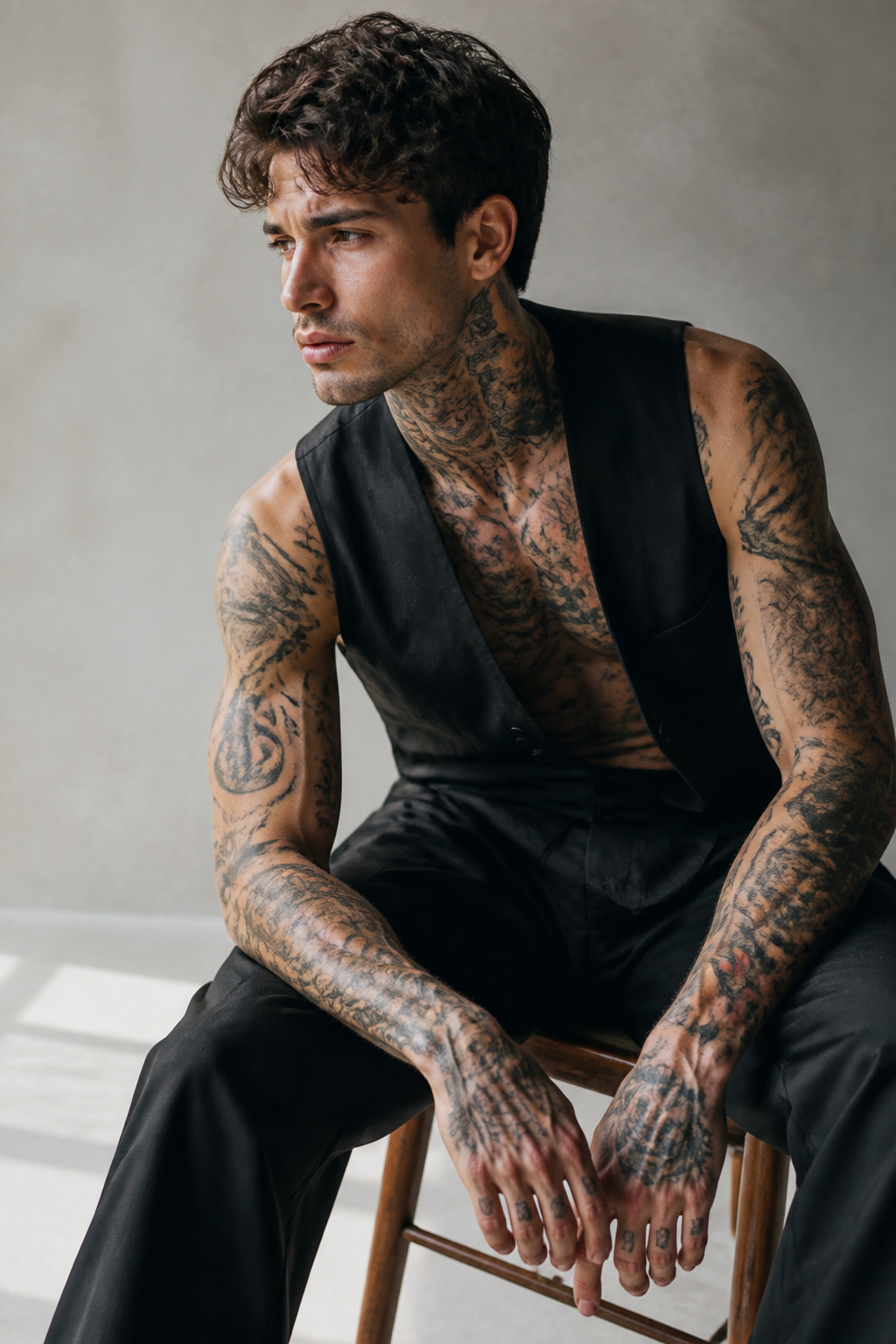
Selecting the right tattoos for men requires a strategic approach to anatomy and aesthetics. When planning a full sleeve, the key is cohesive flow; whether you choose the colorful storytelling of Japanese Irezumi or the sharp lines of Neo-Traditional, ensure the artwork follows the muscular contours of your arm. A well-composed sleeve acts as a custom garment that enhances your natural silhouette.
For those seeking a powerful statement, the chest piece remains the pinnacle of masculine ink. This placement offers a broad, flat canvas ideal for bold blackwork or large-scale illustrative designs. While the sternum and collarbone are known for higher sensitivity, the visual impact of a symmetrical chest tattoo provides an anchored look that defines the upper body.
Placement strategy is just as vital as the artwork itself. Tighter, detailed pieces often suit the inner forearm, while larger, more aggressive motifs thrive on the outer thigh or upper back. Understanding your body type is essential; those with more athletic builds might opt for wrap-around designs that highlight muscle definition, whereas leaner builds benefit from structured, vertical compositions.
Hitting the studio also means preparing for the physical reality of the chair. Pain thresholds vary, but areas with thinner skin and proximity to bone—like the ribs and shins—demand more mental fortitude. Being well-rested and hydrated can significantly improve your experience, allowing the artist to work efficiently on complex shading or saturated color packing.
Once the session is complete, the longevity of your ink depends entirely on your commitment to the healing phase. High-quality aftercare products and a strict cleansing routine are non-negotiable for maintaining the sharp contrast of blackwork or the vibrancy of traditional pigments. Proper healing ensures your investment looks as crisp in ten years as it does on day one.
Ultimately, the boldest tattoos for men are those that reflect a commitment to the craft. By blending historical styles like heavy blackwork with modern placement techniques, you create a visual legacy that is both timeless and tailored to your personal style.