
Beyond the Pit: How Hardcore Music Defined Modern Tattoo Culture
2 months ago
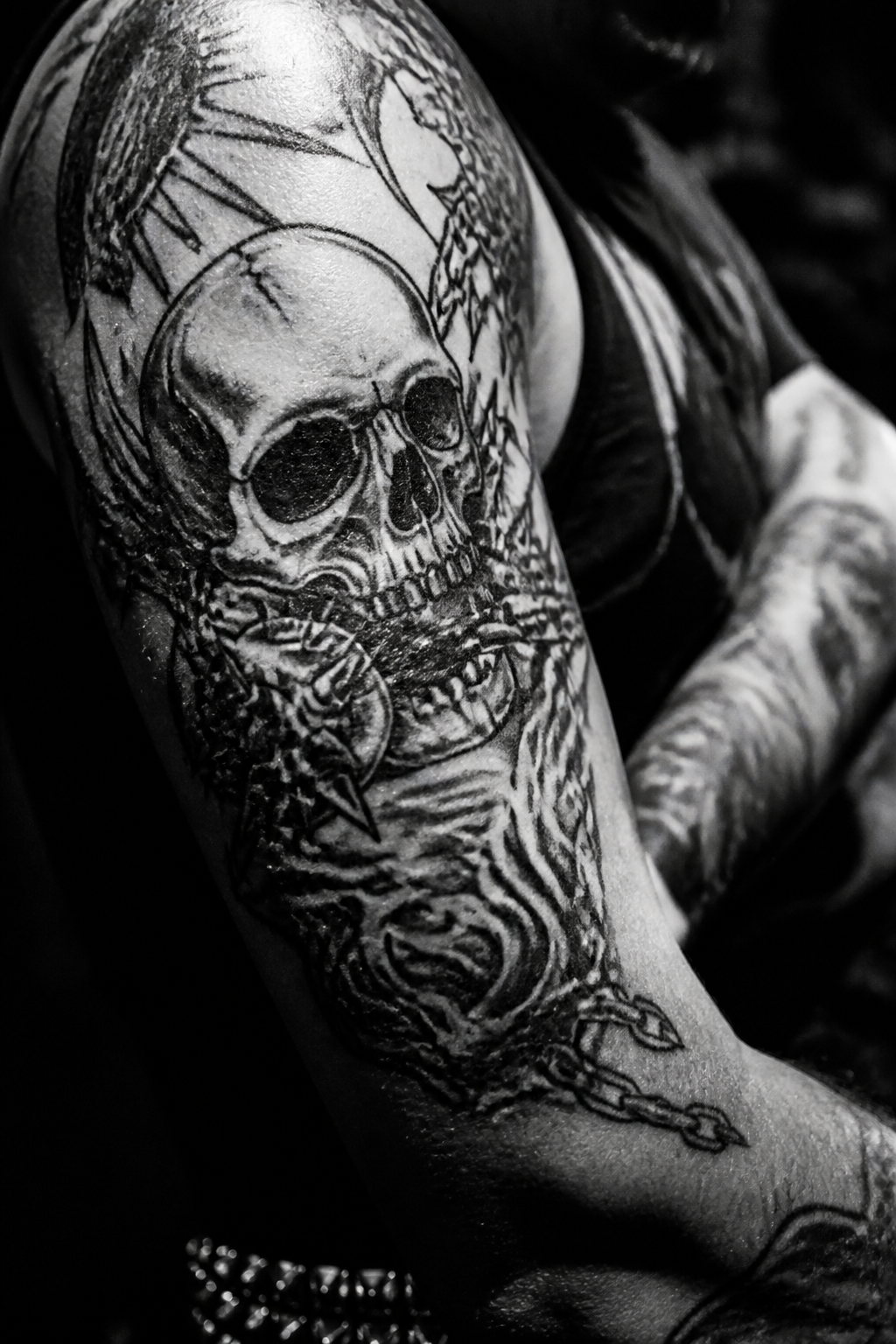
In the sweat-drenched basements and crowded VFW halls of the 1980s, a new visual language was born. The hardcore punk scene didn't just change the sound of rebellion; it fundamentally altered tattoo culture by stripping away the commercial polish of mainstream shops. For these musicians and fans, ink was a badge of endurance, a permanent record of the high-octane energy found in the mosh pit.
Traditional American motifs like daggers and eagles were reclaimed by the hardcore crowd, but with a sharper, more aggressive edge. The aesthetic moved away from the soft gradients of the past toward heavy black outlines and high-contrast shading. This shift wasn't just about art; it was about visibility and creating a distinct identity that could be recognized from across a dark, crowded concert venue.
The DIY ethos of the music scene naturally bled into how people acquired their art. Before the era of high-end boutique studios, many iconic pieces were born in kitchen chairs and backstage areas. This grit helped foster a community where the story behind the piece was just as important as the technique itself, cementing a sense of belonging among those who lived outside the social norm.
Today, you can see the fingerprints of the hardcore scene in every modern street shop. The trend of 'blast-overs' and heavy blackwork owes a significant debt to the musicians who prioritizes raw expression over perfection. It’s a style that demands attention and respects the history of those who paved the way through loud music and painful sessions.
As the scene evolved, so did the professionalism of its artists, many of whom are now world-renowned masters of the craft. Yet, they still carry that original spark of rebellion. Tattoo culture remains a sanctuary for those who find beauty in the loud, the fast, and the unapologetic, proving that the bond between music and ink is truly unbreakable.
Whether it is a band logo or a classic traditional chest piece, these tattoos serve as a lifelong commitment to a subculture that refuses to be quiet. To wear these designs is to carry the history of the pit on your skin, ensuring the legacy of the underground lives on through every needle stroke.