
Artist spotlight: Clara Thorne and the Botanical Architecture Movement
1 day ago
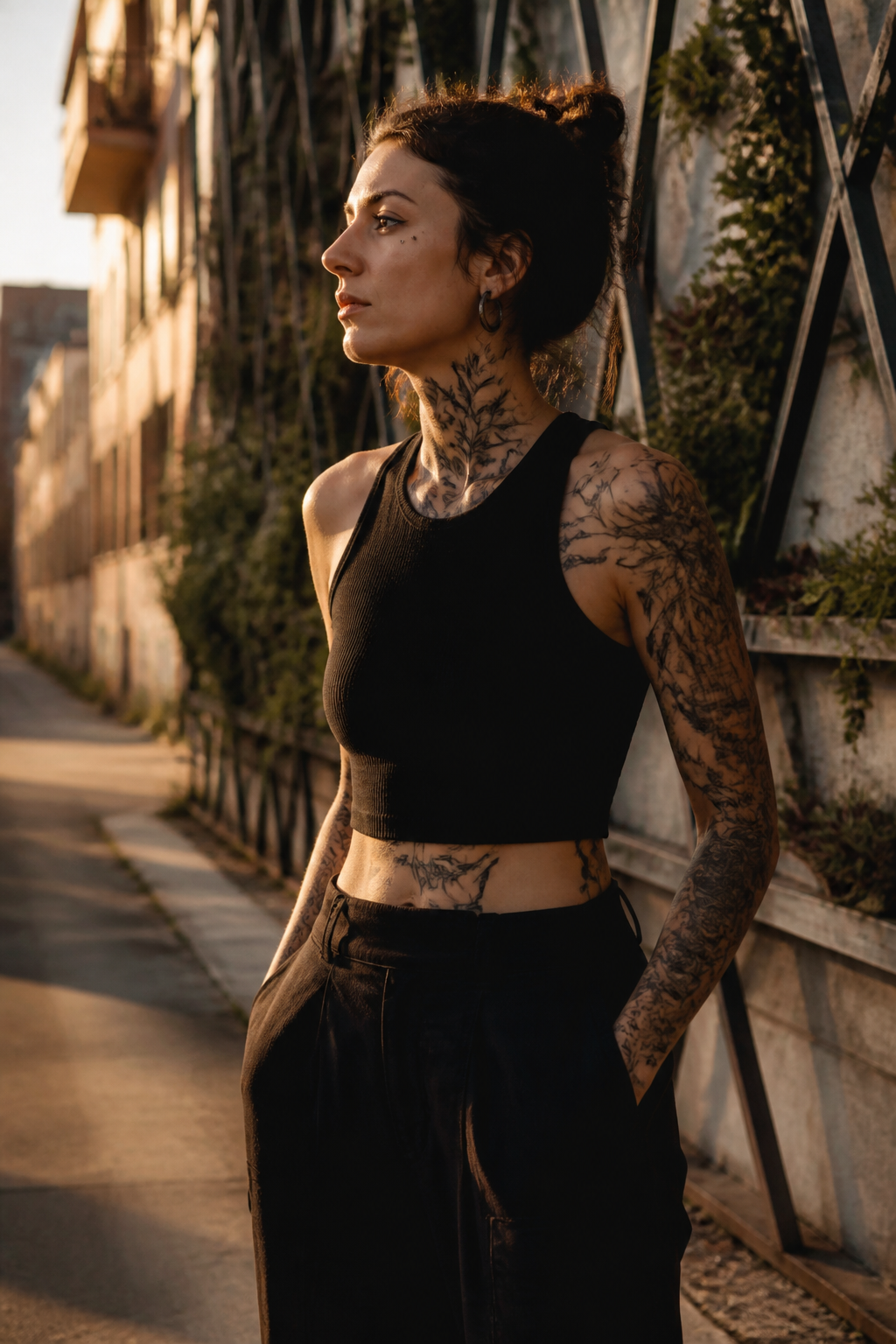
Based in the rain-drenched streets of Portland, Oregon, Clara Thorne is rapidly carving out a niche that she calls Botanical Architecture. Working out of the Iron & Ivy collective, Thorne has moved away from traditional shading, opting instead for a technical approach that utilizes fine-line drafting techniques typically seen in blueprints. Her work is a study in contrasts, pairing the cold, hard lines of city skylines with the untamed growth of Pacific Northwest flora.
Her signature style is defined by a meticulous attention to structural integrity. While many illustrators focus on the softness of nature, Thorne uses architectural perspective to give her plants a sense of physical weight and three-dimensional space. The result is a portfolio of tattoos that look as though they were etched into the skin by a master engraver, balancing the synthetic with the organic in every composition.
A standout recent project involved a full-sleeve commission titled The Overgrown City. In this piece, Thorne rendered the iconic bridges of Portland being slowly reclaimed by ivy and ferns. The project took over forty hours of needle time, utilizing varying line weights to create a sense of depth that makes the steel girders appear to recede into the forearm while the greenery pops toward the viewer.
Collectors looking to secure a piece from Thorne should be aware that her books open only twice a year. She prioritizes projects that allow for large-scale storytelling and anatomical flow, rather than small, isolated flashes. Because her work relies on extremely precise linework, she often requires a consultation to discuss how the movement of the body will affect the straight edges of her architectural elements.
Before booking, it is essential to understand that Thorne’s process is highly collaborative. She rarely presents finished sketches until the day of the appointment, preferring to finalize the proportions directly on the skin to ensure the 'buildings' fit the natural curves of the muscle. This bespoke approach ensures that no two pieces are ever identical, cementing her status as a must-watch talent in the Pacific Northwest scene.