A Modern Look at Tattoo Pain: Where It Hurts and Why
17 days ago
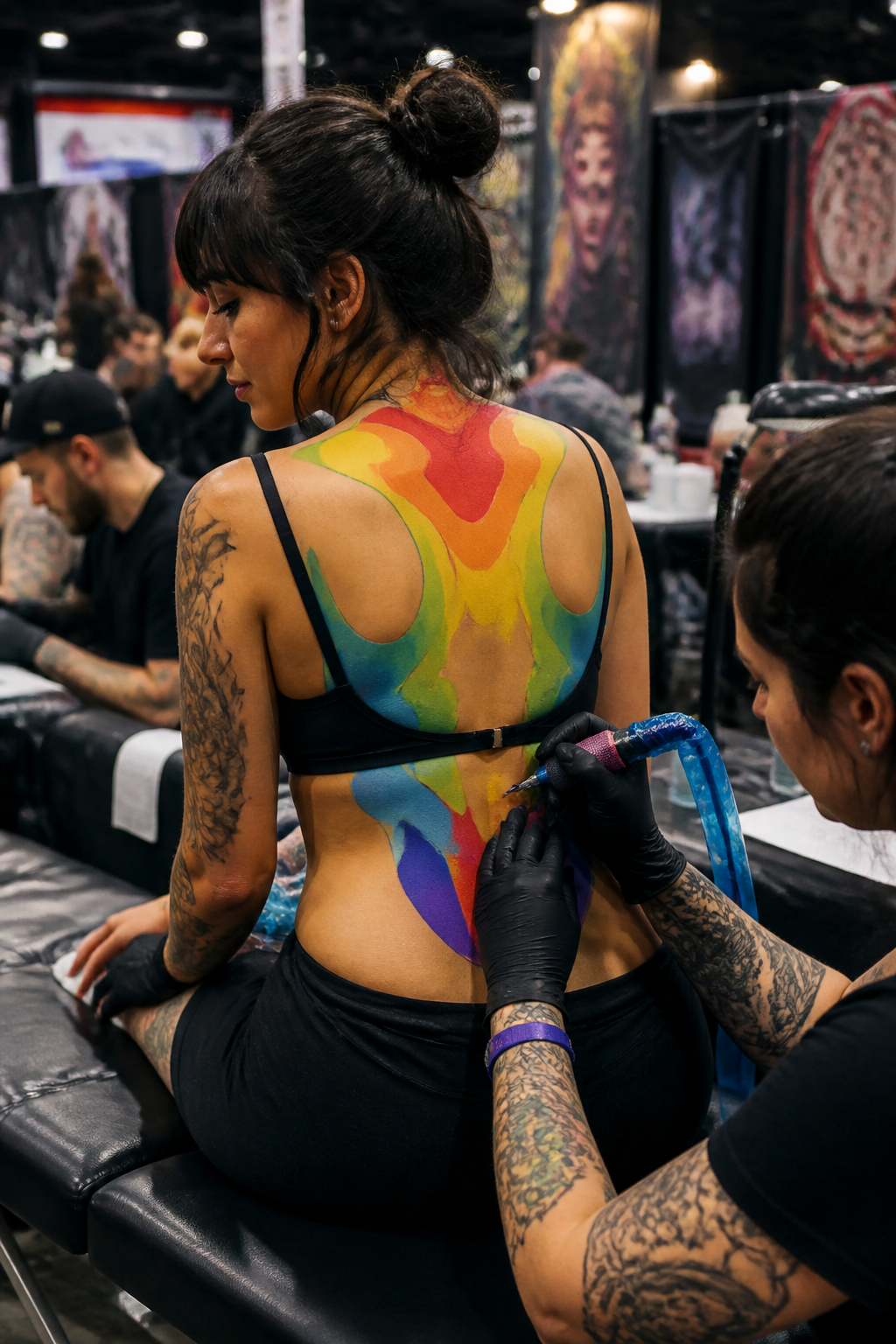
Understanding the reality of tattoo pain is the first step toward a successful session. While everyone has a unique threshold, certain areas are notoriously sensitive. Regions with thin skin or high bone density, such as the ribs, shins, and sternum, tend to register higher on the discomfort scale. Conversely, fleshier areas like the outer thighs or upper arms offer a much milder experience for most collectors.
Your physical state significantly dictates how you process the sensation of the needle. Arriving at the studio well-rested is non-negotiable; sleep deprivation lowers your threshold and makes your nervous system more reactive. Similarly, staying hydrated keeps the skin supple and more receptive to ink, which can actually reduce the friction felt during the process.
Dietary choices on the day of your appointment play a massive role in managing tattoo pain. While it might be tempting to grab a double espresso for energy, caffeine is a stimulant that can increase jitteriness and heighten your sensitivity to sharp sensations. Instead, focus on a high-protein meal and slow-burning carbohydrates to keep your blood sugar stable throughout the procedure.
For those tackling large-scale pieces, endurance is key. Managing long sessions requires a mental shift; many veterans recommend focused breathing techniques to stay grounded when the discomfort peaks. Communication with your artist is also vital. Do not be afraid to ask for a short break to stretch or grab a snack, as keeping your body relaxed prevents muscle tension from amplifying the sting.
Post-session fatigue is a real phenomenon often dubbed the 'tattoo flu.' This occurs when your body reacts to the minor trauma of the procedure. By prioritizing your physical preparation and understanding the specific sensitivity of your chosen placement, you can transform the experience from something to be feared into a manageable part of the artistic process.